



The forging process performed above the recrystallization temperature of the metal is called hot forging. Hot forging is also called hot die forging. During forging, the deformed metal flows violently, and the contact time between the forging and the die is long. Therefore, the mold material is required to have high thermal stability, high-temperature strength and hardness, impact toughness, thermal fatigue resistance and wear resistance, and easy processing. Light-duty hot forging dies can be made from low alloy steels.
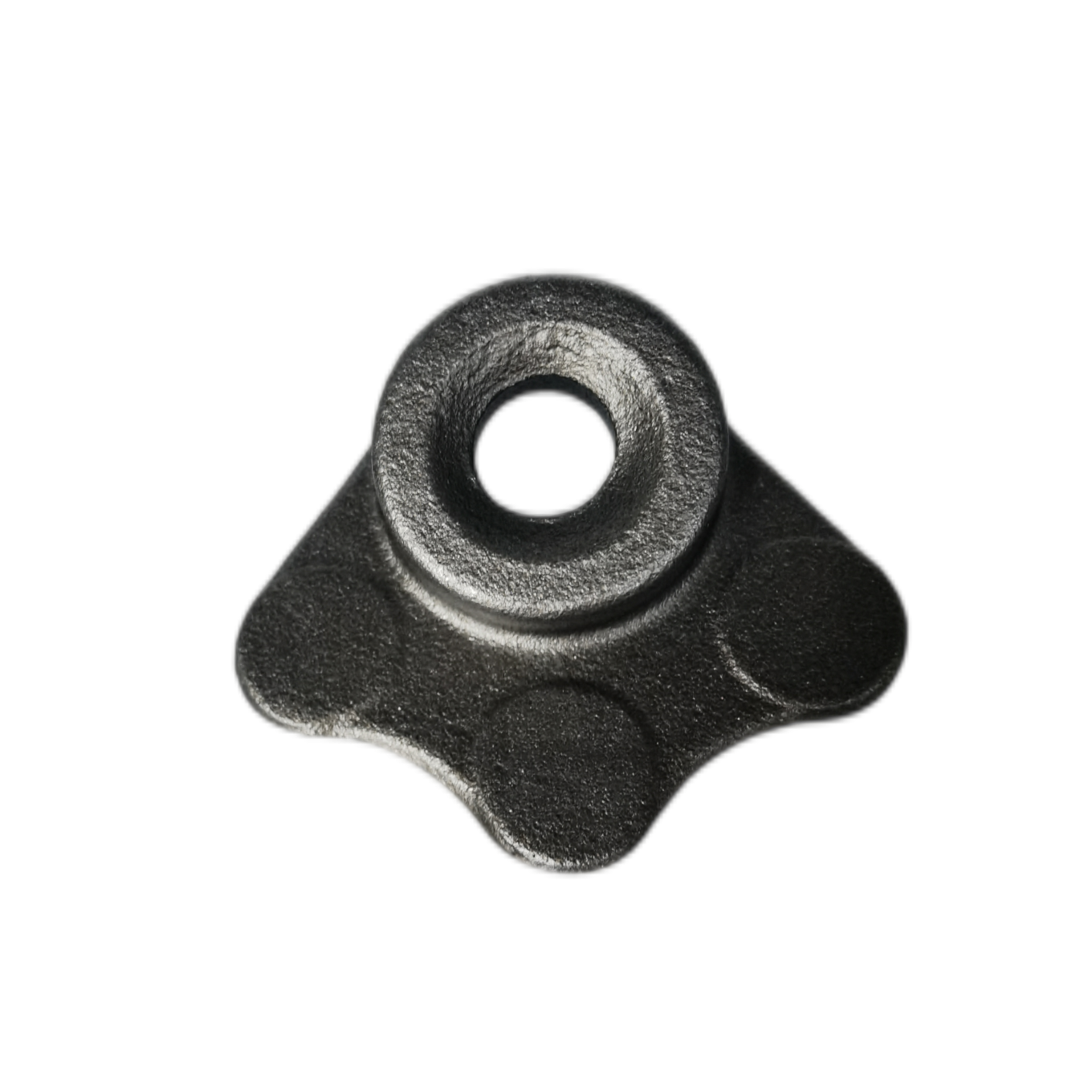
Forging method. Except for large and medium-sized free forgings that use steel ingots as blanks during hot forging, general forgings use various metal bars as blanks. Before forging, the bar material is generally cut into pieces according to the required size on special blanking equipment. The commonly used forging methods are as follows:
1. Sawing hot forging. Sawing and blanking are often carried out on circular saws, hack saws, and high-speed band saws. The characteristics of sawing are that the cut section is flat and the size is accurate, but the productivity is low, there is a loss of the saw edge, and the loss of the saw blade and saw disk is also relatively large. The high-speed band saw is relatively advanced cutting equipment with high production efficiency and a regular blank shape.
2. Cut hot forging. Shearing and blanking are generally carried out on a shearing machine, which can cut billets with a diameter of less than 200mm. When cold shearing the billet, a large amount of stress will be generated at the sheared place and cracks will appear. Therefore, high carbon steel, alloy steel, and billets with larger cross-sectional dimensions need to be preheated to 350~700 °C before shearing; Carbon steel, medium carbon steel, and other steel billets with smaller cross-sectional dimensions 3. Cold cut hot forging. The characteristic of cold shear cutting is that it can be equipped with an automatic feeding and discharging mechanism, the working conditions of the workers are better, the production efficiency is high, the metal is saved, and the utilization rate of materials is improved. However, the shearing end face is uneven and slightly skewed, especially when shearing billets with large diameters are in a hot state. Shearing machines are commonly used in mass production die forging shops. Shearing and blanking can also be carried out on equipment such as edge trimming punches and friction presses.
4. Broken hot forging. The breaking and blanking are carried out on a hydraulic press or a crank press. Pressure is applied to the material through the punch, causing the material to break along the pre-cut cuts. Before breaking, a pre-cut is generally made by sawing or gas cutting. The purpose is to cause a large stress concentration at the cut to ensure that when the material is broken at a certain part, it will not produce large plastic deformation and affect the section quality.
Through the above introduction and analysis of What kinds of cutting methods for hot forging, hope it helps you.
 86 15860100246


 Message
