



Hot forging is carried out within a certain temperature range. The forging temperature range of steel refers to the temperature range between the starting forging temperature (initial forging temperature) and the ending forging temperature (final forging temperature).
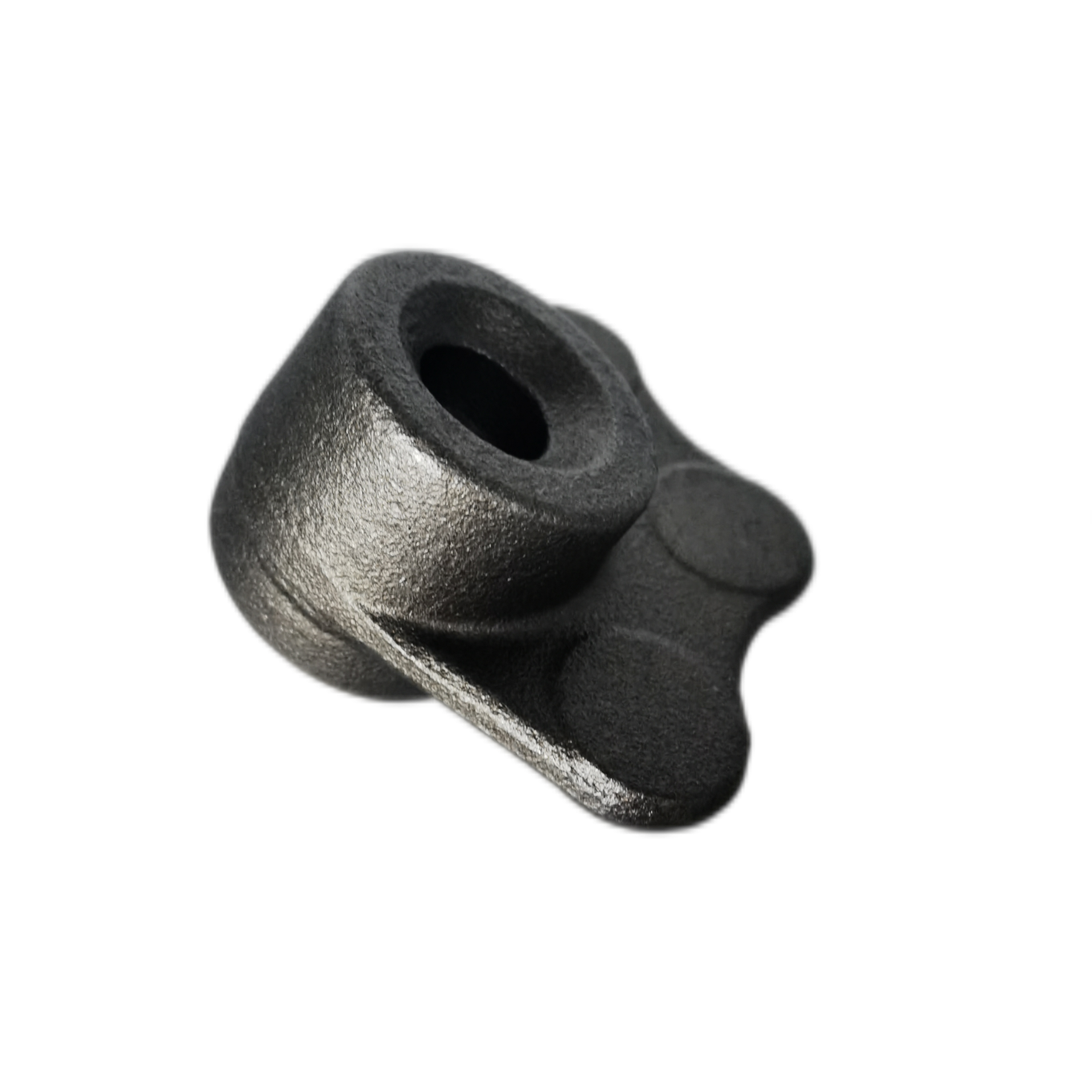
The basic principle for determining the forging temperature range of hot forging is to ensure that the steel has high plasticity, low deformation resistance, and high-quality forgings.
The basic method to determine the forging temperature range of hot forging is: based on the balance diagram of the steel, and then referring to the plasticity diagram, resistance diagram, and recrystallization diagram of the steel, comprehensively analyze the three aspects of plasticity, quality and deformation resistance, so as to determine Initial forging temperature and final forging temperature.
Generally, the forging temperature range of hot forging of carbon steel can be directly determined according to the iron-carbon balance diagram. For the forging temperature range of most alloy structural steels, it can be considered with reference to carbon steels with the same carbon content. However, for high-alloy steels with low plasticity and steels that do not undergo phase transformation (such as austenitic steels, and pure ferritic steels), it is necessary to pass tests to obtain a reasonable forging temperature range.
Determination of temperature. To determine the initial forging temperature of the hot forging of steel, it is first necessary to ensure that the steel has no overburning phenomenon. Therefore, for carbon steel, the initial forging temperature should be 150-250°C lower than the initial melting line of the iron-carbon equilibrium diagram. In addition, factors such as blank structure, forging method, and deformation process should also be considered.
Through the above introduction and analysis of the Determination of the scope of hot forging, hope it helps you.
 86 15860100246


 Message
